Safe Harbor Inspection | ITC Compliance for BESS, PV & Transformers

Safe Harbor Inspection: Securing IRS ITC Compliance for Solar & BESS Projects

20 januari 2026

Introduction
Investing in utility-scale solar photovoltaic (PV) and battery energy storage system (BESS) projects often hinges on preserving federal incentives like the U.S. Investment Tax Credit (ITC).

“The Business Energy Investment Tax Credit (ITC) is a U.S. federal corporate tax credit applicable to commercial, industrial, utility, and agricultural sectors. Eligible technologies include solar water heat, solar space heat, solar thermal electric, photovoltaics, wind, biomass, geothermal electric, fuel cells, geothermal heat pumps, CHP/cogeneration, solar hybrid lighting, microturbines, and geothermal direct-use.”(Source: Wikipedia — Business Energy Investment Tax Credit; cited here for historical context)

To lock in Investment Tax Credit (ITC) compliance, developers must demonstrate that they’ve begun construction on their project according to IRS rules. Sinovoltaics’ Safe Harbor Inspection service is engineered to help you do exactly that with independent documentation that stands up to scrutiny while mitigating audit risk.

What Is Safe Harbor in the Context of Solar PV & Energy Storage?
Under IRS guidelines, projects must show they’ve started physical work or met other prescribed criteria to qualify for the ITC in a given year. This “Safe Harbor” is essential because it lets developers preserve valuable tax incentives even if the project takes years to complete  as long as continuous progress is maintained.

For large PV and BESS builds, documenting this start of construction can be complex, especially when much of the work occurs offsite, such as in component manufacturing. That’s where a structured, third-party inspection like Sinovoltaics’ service helps provide IRS Safe Harbor documentation that the project is complying with regulatory requirements.

Why Independent Inspections Matter for Safe Harbor Compliance
When the IRS reviews a Safe Harbor claim, it looks for clear, verifiable proof that tangible work on a project component has begun. Developers often struggle to gather this documentation, especially when relying solely on supplier records or internal reports.

Sinovoltaics’ Safe Harbor Inspection service steps in as an independent third party to validate manufacturing activity, reporting it in a way that’s consistent with IRS expectations. This not only strengthens your ITC claim but can also be invaluable during audits or investor due diligence.

What Sinovoltaics Inspects
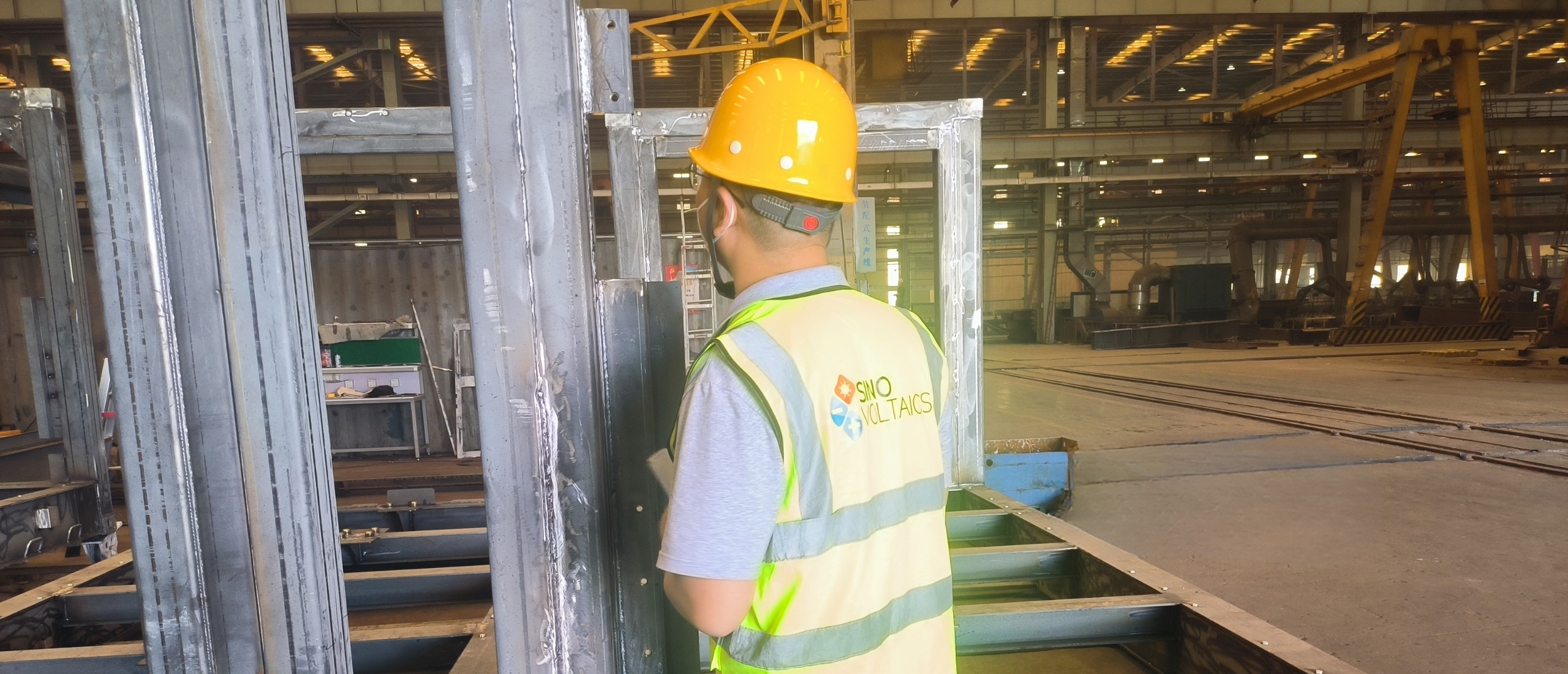
Sinovoltaics conducts comprehensive, on site inspections at manufacturing facilities covering key project components used in solar and storage systems.

These include:
Battery enclosures and containers (BESS components)
PV modules, mounting structures, and inverters
Transformers (including radiators and LV coils)
Electrical equipment such as power conversion systems (PCS), energy management systems (EMS), and cabling

This scope ensures that all major pieces of your future system even before arrival onsite are documented as having begun production in compliance with Safe Harbor criteria.

Inspection Process: What’s Documented
During a Safe Harbor Inspection, Sinovoltaics’ auditors focus on capturing robust, time stamped evidence from the factory floor:
Timestamped photos of critical manufacturing steps (e.g., cutting, welding, assembly)
Verification of labor activity and man hours associated with producing project components
Serial number tracking matched to purchase orders and bill of materials (BoM)
Review of internal factory documents, such as job cards, production logs, and QA records

This combination provides a multi layered audit trail that clearly demonstrates the start of physical work on key project assets.

What You Receive After the Inspection
Within several days of completing the inspection, clients receive a comprehensive report designed to support Safe Harbor claims, including:
Executive summary outlining the inspection scope and key findings
Photographic evidence organized by production steps
Document review summary (POs, logs, job cards)
Inspector declaration with signature and date, critical for IRS or finance reviews

Optional Add Ons
Projects with more complex needs can include:
Follow up inspections to verify continued work
Redacted reports for investor or legal review
Multi site inspection scheduling for global supply chains

These add ons help future proof your documentation and create comprehensive compliance packages tailored to investor and tax adviser expectations.

Benefits of Using Sinovoltaics for Safe Harbor Documentation

1. Audit Ready Evidence
Independently verified, timestamped records meet strict documentation expectations for U.S. tax authorities.

2. Global Coverage of Manufacturing Sites
Sinovoltaics operates across major PV and BESS production regions, helping developers track compliance even when components are sourced internationally.

3. Mitigated Risk
Third party reporting reduces reliance on internal factory claims and boosts confidence for financiers and stakeholders.

4. Expert Support
Reports are prepared by experienced auditors familiar with both manufacturing environments and ITC compliance criteria.

Conclusion: Strengthening ITC Eligibility Through Independent Inspection
Sinovoltaics’ Safe Harbor Inspection service addresses a critical compliance need for utility scale solar and BESS projects. By delivering third party, audit ready evidence of production start, the service helps developers confidently document Safe Harbor eligibility under IRS rules, a foundational step for securing federal tax credits and maximizing project value.

Whether you’re navigating financing, audit risk, or complex supply chains, independent Safe Harbor inspections give you the documentation and assurance necessary to move forward with certainty. Ready to protect your ITC eligibility? Contact Sinovoltaics and schedule your Safe Harbor Inspection today.

Place comment