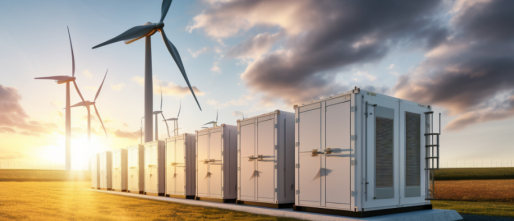
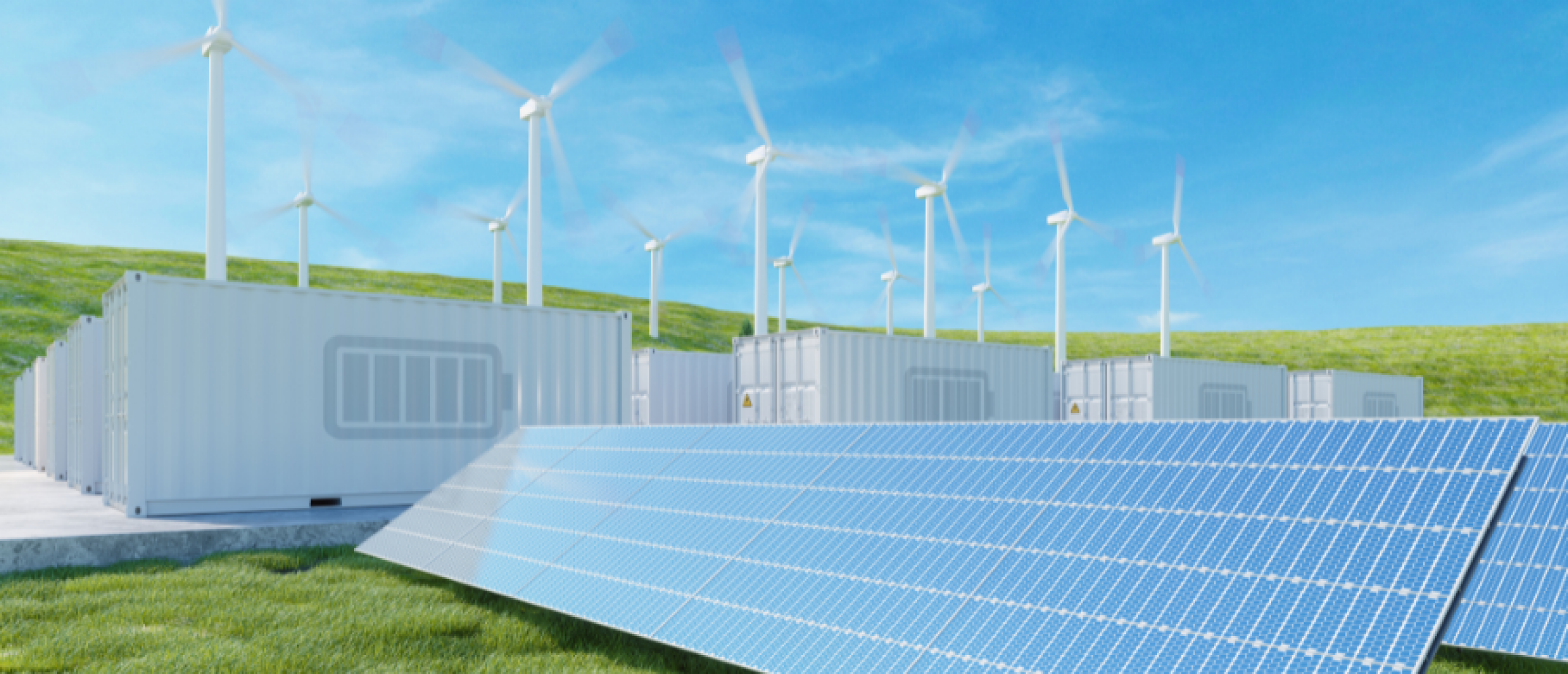

As the world moves towards a more sustainable future, we are now searching for ways to reduce the intermittency of renewable energy’s power generation. One way to do this is to invest in energy storage systems (ESS). ESS can store energy from renewable sources like solar and wind and then release it back into the grid when needed. This helps to stabilize the grid, further reduces greenhouse gas emissions, and provides ancillary services to utilities to reduce the risks of blackouts.
Many countries are now investing in ESS to improve their grid stability and support the accelerated deployment of renewable energy. One type of ESS is the Battery Energy Storage System (BESS). BESS is becoming increasingly popular as it can be used to store energy for several hours and even days. Additionally, BESS are often less expensive than other types of ESS, in recent years benefiting from the ramped-up lithium-ion battery manufacturing capacity volumes in the electric vehicle (EV) industry.
Business-wise, a key advantage of BESS is that it can store energy when prices are low and then release that energy when prices are high. Increased deployment of BESS, helps to stabilize the price spikes that we are experiencing when renewable energy’s power output is high or low. BESS can also help improve the grid's overall efficiency by providing a steadier stream of energy. This is especially important as more renewable energy sources are added to the grid.
BESS is also becoming increasingly important as we move towards a more electrified economy. Electric vehicles are becoming more popular and will eventually make up many vehicles on the road. BESS can help to store enough energy to charge these vehicles when the demand for electricity is low. This helps to reduce the strain on the grid during peak periods.
To cover the essential steps and ensure your Battery Energy Storage Systems project is successful, Team Sinovoltaics provides an overview of the process of specifying, selecting, contracting, manufacturing, testing, shipping, and site commissioning a Battery Energy Storage Systems (BESS) based on Sinovoltaics' BESS project experience. A tabular summary at the end of each section can be used during the evaluation process.
 You can download it here
The topics we will touch upon in this e-book are as follows:
- Battery Energy Storage Systems Specifications
- Supplier Selection
- Contract Management
- Manufacturing
- Factory Acceptance Testing (FAT)
- BESS Transportation
- Site Acceptance Testing (SAT) and Commissioning
- Operations and Maintenance (O&M)
If you are interested in our BESS and PV quality inspection or have any related questions, please do not hesitate to contact us at contact@sinovoltaics.com.