Physical inspection + data, in one report.
A yearly on-site inspection combined with your BESSecure data review into a single annual asset report - the safety evidence insurers increasingly ask for after recent BESS fire incidents.
What the annual inspection covers
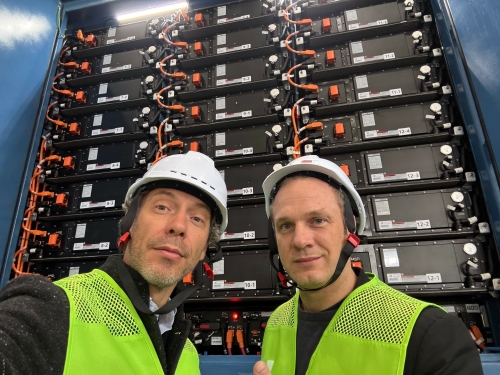
An annual BESS site inspection independently verifies the physical condition and safety systems of an operating battery installation - racks, connections, busbars, HVAC, fire suppression, enclosures, alarms and BMS - combined with rack-level performance data into one asset report.
Included, every year:
- Visual & IR inspection of racks, connections and busbars - thermal anomalies at connection points are the classic precursor of thermal events
- HVAC & fire-suppression functional verification - not “is it installed” but “does it work”
- Enclosure & sealing checks - water ingress, corrosion, vermin, door and gland integrity
- Alarm & BMS spot checks - alarm chains tested end-to-end, sensor plausibility verified
- BESSecure data review - the year’s rack-level capacity, temperature and voltage analysis folded into the same report
- Insurer-ready documentation - one annual asset report covering physical condition and cell-level data
Deliverables: annual asset report (physical + data findings), severity-ranked action list, safety non-conformity register, insurer documentation package.
Why physical + data - not one or the other
The industry offers two half-answers. Analytics providers see your data but never open an enclosure door: a loose busbar connection, a blocked HVAC intake or a discharged suppression cylinder is invisible to them until it becomes an incident. Inspection firms walk the site but can’t see inside the racks: cell-level aging and thermal drift don’t show up in a walkthrough.
A thermal runaway usually needs both failures at once - a cell anomaly and a failed containment layer. Verifying only one is half an inspection. Sinovoltaics combines the physical verification and the BESSecure data review in one visit, one report, one annual budget line per site.
The insurer conversation is changing
After publicised BESS fires, insurers and financiers increasingly expect documented answers at renewal: Who independently inspects the site? When was fire suppression last functionally verified? How are cell-level anomalies monitored? What was found last year, and was it closed?
The annual asset report answers all of it - dated, independent, and consistent year over year. Owners who can produce it negotiate premiums; owners who can’t answer questionnaires.
When you need this
- Operating BESS sites past their first year - especially post-warranty
- Insurance renewals requesting safety and maintenance evidence
- Portfolio with mixed integrators and uneven O&M documentation
- Sites where SAT baselines exist and annual trending compounds their value
- After any thermal event in your portfolio- or your technology vendor’s portfolio
Engagement model
Annual program per site; typically bundled with the BESSecure Portfolio Program so the physical inspection and the data analysis land in one report. Multi-site framework agreements align inspection calendars across the portfolio.
One visit. One report. Every question your insurer asks. → Schedule an annual inspection