
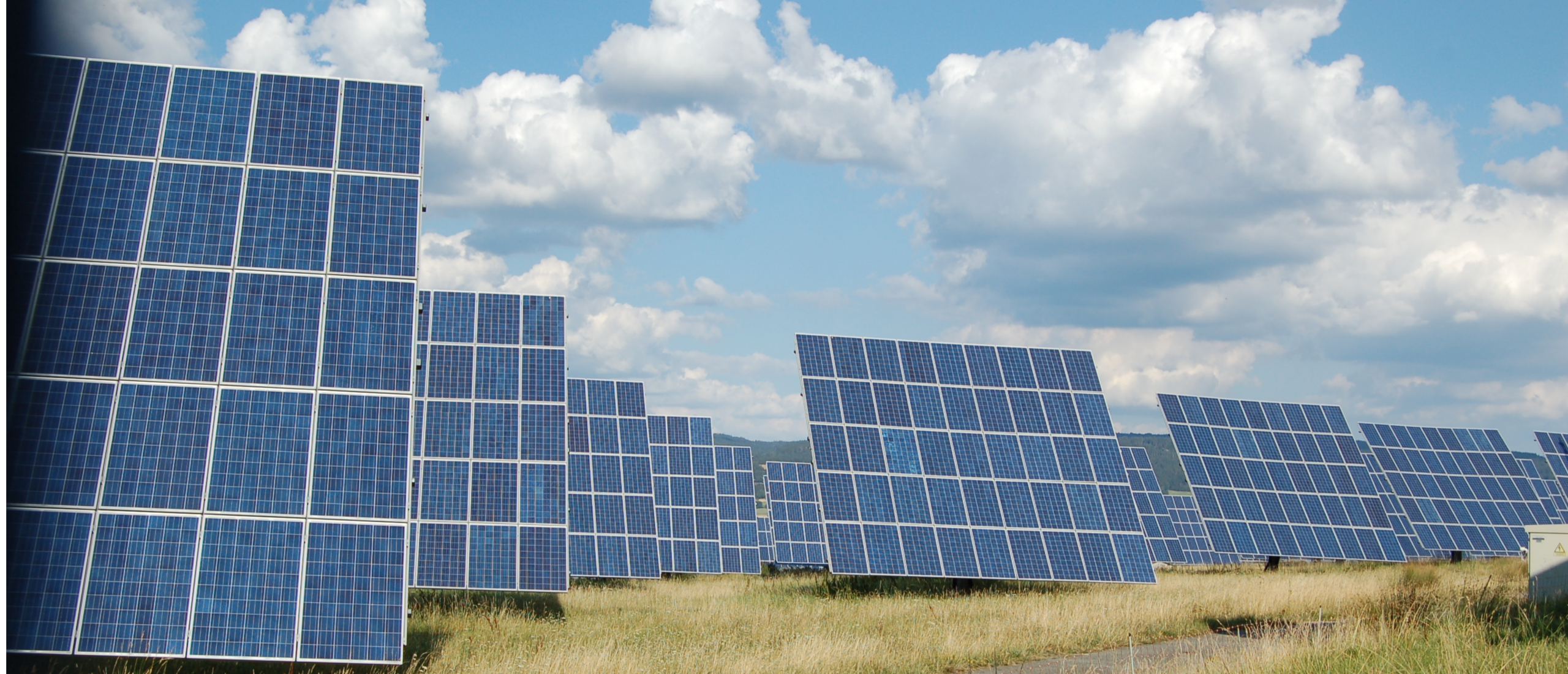

Designing customized solar systems is a complicated task that requires solar engineers to take into account a multitude of factors, such as size of the system, number of users and electrical appliances, usage times of these appliances, geographical area of application, general climate and sun radiation in this area, local grid distribution and capacity, array orientation of the photovoltaic modules etc.
Calculating all these factors in the design process merely manually is not only a challenging, but nearly impossible task in today’s complex solar business in order to meet the time constraints set by a certain project and often the urgency of customers’ requests. In this regard, many solar companies use specialized software tools that facilitate system design enormously. A very prominent PV system design software tool is PV*Sol from the German company Valentin EnergieSoftware.
Before starting designing a system, the software enables the user to select between designing a grid-connected system (with the option of full feed-in or surplus feed-in) or a standalone (off-grid) system. After choosing a system type, the user has to feed the design surface with several input factors requiring thorough background knowledge of the project. Inverter and modules can be selected from a database (which is regularly updated). If designing an off-grid system, additional options can and have to be taken into account such as period of autonomy and system recover time.
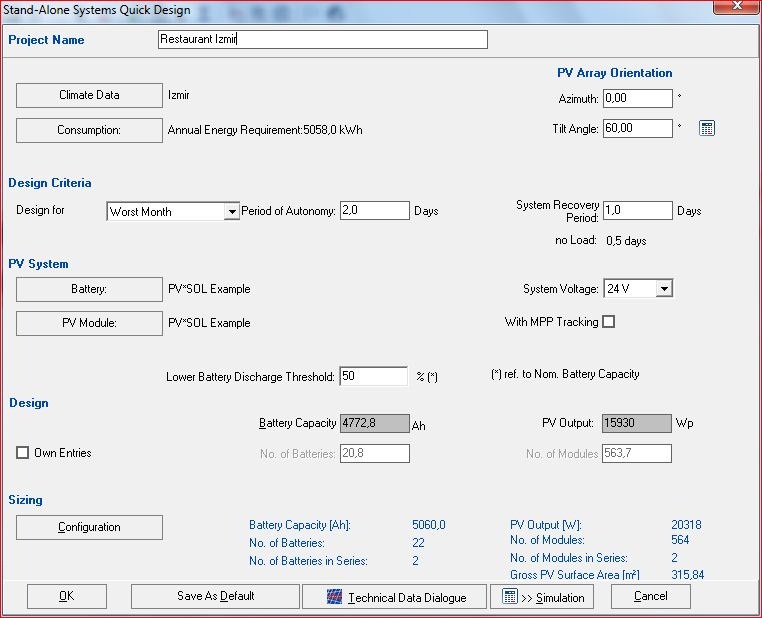
The interface enables the user to choose from a fix list of electrical appliances and their presumed consumption time according to the requirements of a project. Unfortunately, the list is extremely constrained and does not reflect the multitude of different possible appliances for a project which poses particularly in the design process of large systems with multiple and different household appliances a major constraint. Appliances such as ACs or DVD players are not included in the database and have to be calculated and added manually. Moreover, the amount of electrical appliances that can be added to a project design are limited, so that for the design of large and complex projects PV*Sol is rather a secondary choice.
Similarly in the climate date-section, the user can choose from a fix list of countries with detailed climate data for every region in that country. The number of countries and regions to choose from is however limited and also here there have been no major updates from the software developers. Climate data of the majority of Asian, South American and Pacific countries, like China, India, Vanuatu, Cambodia or Brazil are missing in the database, forcing system design to input and adjust these data manually, for example through the Meteo Syn.
For special design requirements, be it the connection of a solar system with a wind power system or designing large systems (>50kW), Valentin’s PV*Sol faces its capability limits and forces the system designer to recourse to manual calculation.
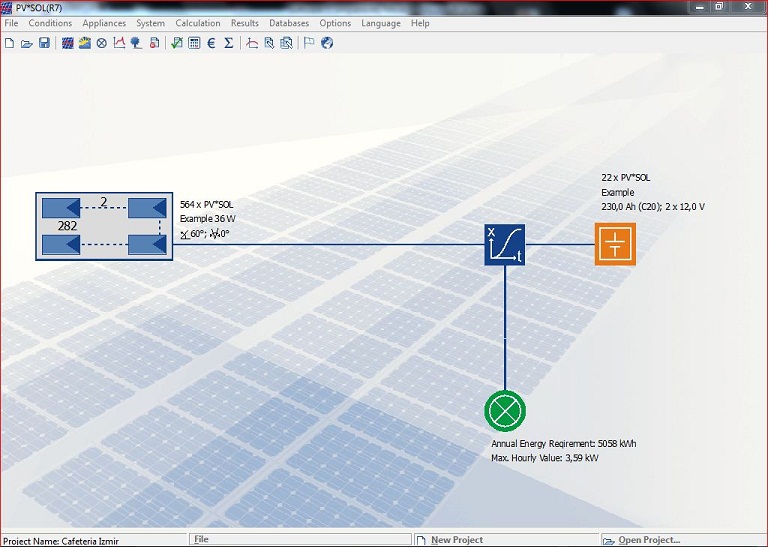
However, apart from these constraints, PV*Sol offers a wide range of options that range from adjusting tariffs (for grid-connected systems), shades, a pollutant emissions calculator and standard options like economic efficiency calculator and energy balance.
Conclusion: PV*Sol is a very useful piece of software for solar system designers that helps to facilitate the design process enormously, thus saving time and avoiding the danger of possible miscalculation if designing manually. PV*Sol is very close to the perfect system design software and hopefully the following version of this program will consider some of the critics pointed out in this short review.
Solar panel quality inspection
Are you purchasing solar panels, inverters or mounting racks in the Greater China region? Sinovoltaics performs independent quality inspections on-site at solar manufacturers.
Advantages:
- Replace defects prior to shipment
- Independent testing report
- 100% certainty about product quality
- International testing crew specialized in solar PV panels, inverters, and mounting racks
Learn more about Sinovoltaics and its PV quality inspection and consultancy services

SolarSkin
on 19 Jan 2016btelis
on 12 May 2011BigWorm
on 10 Apr 2018