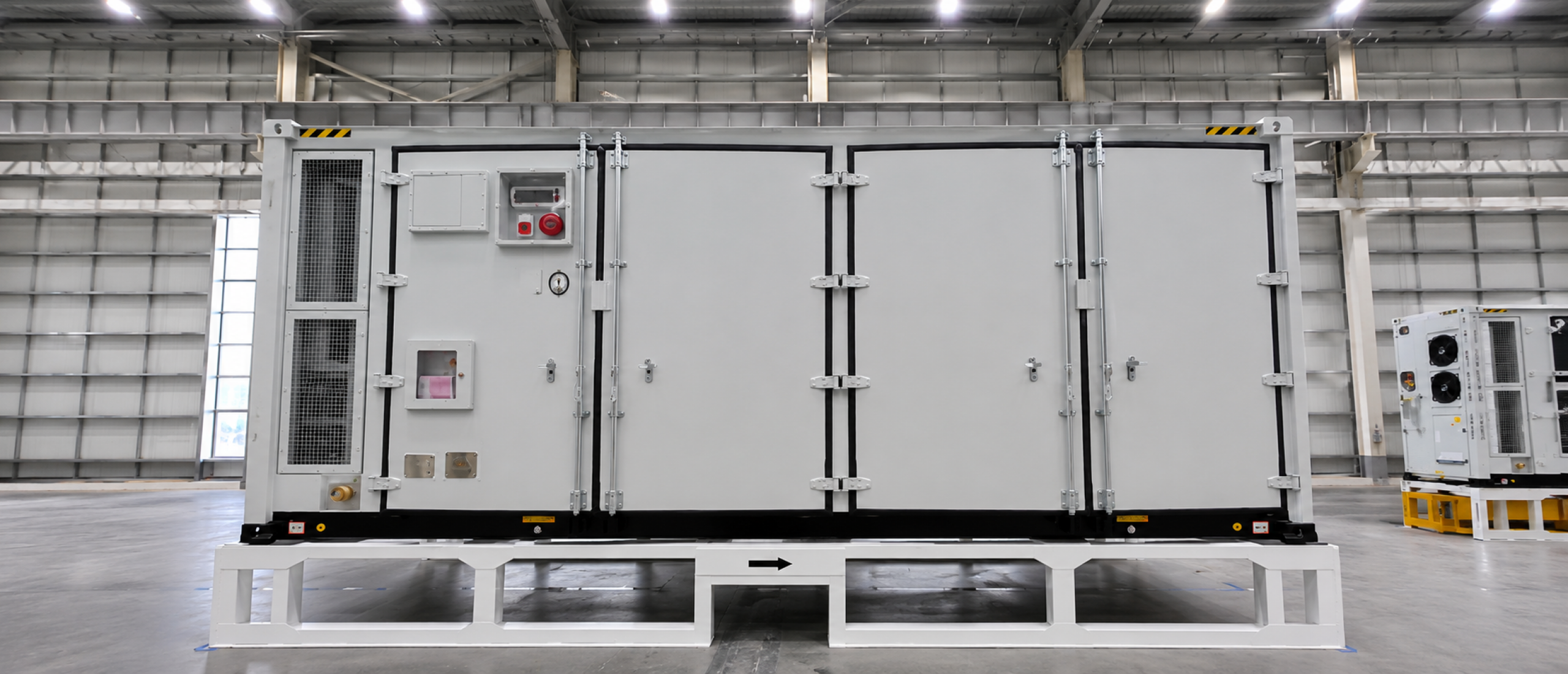
Common Mistakes to Avoid When Buying a Battery Energy Storage System

Common Mistakes to Avoid When Buying a Battery Energy Storage System

Introduction
Purchasing a Battery Energy Storage System (BESS) is a significant investment, and making the wrong choices can lead to higher costs, poor performance, and operational failures. Many buyers overlook key technical, financial, and regulatory considerations, which can compromise system efficiency and long-term reliability.

This guide highlights the most common mistakes buyers make and how to avoid costly pitfalls when selecting a BESS.

1. Choosing the Wrong Battery Chemistry
Mistake: Selecting a battery type without considering its application, cycle life, or safety profile.

Why It’s a Problem:
LFP (Lithium Iron Phosphate) is safer and lasts longer but has lower energy density.
NMC (Nickel Manganese Cobalt) has a higher energy density but degrades faster and poses a higher fire risk.

How to Avoid It:
For stationary storage (grid, commercial, industrial), choose LFP for safety and longevity.
For high-power applications (EV fast charging, space-limited systems), select NMC for higher energy density.

Key Takeaway: Match battery chemistry to your specific operational needs.

2. Overlooking Round-Trip Efficiency and Energy Losses
Mistake: Focusing only on battery capacity (kWh) and ignoring round-trip efficiency.

Why It’s a Problem:
• A system with low efficiency wastes energy during charging and discharging.
• Results in higher operating costs over time.

How to Avoid It:
• Choose a BESS with ≥90% round-trip efficiency.
• Consider DC-coupled systems for solar-plus-storage projects to reduce conversion losses.

Key Takeaway: Higher efficiency means better long-term savings.

3. Not Considering Cooling Requirements
Mistake: Selecting a BESS without evaluating its thermal management system.

Why It’s a Problem:
• Poor cooling can cause thermal runaway, reduced lifespan, and efficiency losses.
• Systems in hot climates or high-power applications require advanced cooling solutions.

How to Avoid It:
• Use air cooling for small BESS, but only in moderate climates.
• Opt for liquid cooling for large-scale, high-power BESS.

Key Takeaway: Proper thermal management prevents overheating and extends battery life.

4. Underestimating Maintenance and Operating Costs
Mistake: Focusing only on upfront cost and ignoring long-term operational expenses.

Why It’s a Problem:
• Low-quality batteries may require frequent replacements, increasing costs.
• Lack of maintenance planning can lead to unexpected failures and downtime.
• Absence of support can lead to long project downtime

How to Avoid It:
• Choose a system with a long cycle life and a strong warranty (at least 10 years).
• Implement a preventive maintenance plan to track battery health.
• Consider remote monitoring for real-time performance tracking.
• Evaluate the BESS manufacturer’s support office near your site’s locations.

Key Takeaway: Plan for long-term maintenance and total cost of ownership, not just initial purchase price.

5. Ignoring Grid Compliance and Regulatory Requirements
Mistake: Purchasing a BESS without ensuring it meets local electrical and safety standards.

Why It’s a Problem:
• Can lead to installation delays, fines, or rejection by utility companies.
• Non-compliance with UL 9540, IEC 62619, or IEEE 1547 may invalidate insurance coverage.

How to Avoid It:
• Confirm grid interconnection requirements before purchasing a BESS.
• Choose a certified system that meets regulatory standards.
• Work with an experienced installer familiar with local codes.

Key Takeaway: Ensure full compliance with safety and grid regulations before installation.

6. Selecting an Unreliable Supplier
Mistake: Choosing a low-cost or inexperienced supplier without verifying manufacturing quality.

Why It’s a Problem:
• Risk of poor-quality components, supply chain delays, or lack of post-sales support.
• No clear warranty enforcement or replacement policies.

How to Avoid It:
• Conduct a factory audit before committing to a supplier.
• Choose suppliers with a proven track record and third-party certifications.
• Verify customer references and past project experience.

Key Takeaway: A reliable supplier ensures better product quality, service, and long-term support.

7. Not Evaluating the Battery Management System (BMS) and Energy Management System (EMS)
Mistake: Buying a BESS without understanding how its BMS and EMS controls work

Why It’s a Problem:
• A weak BMS can lead to imbalanced battery cells, efficiency losses, and safety issues.
• A poorly integrated EMS may fail to optimize charging and discharging schedules.

How to Avoid It:
• Ensure the BMS includes real-time monitoring, fault detection, and thermal management.
• Choose an EMS that supports grid interaction, remote monitoring, and predictive analytics.

Key Takeaway: An advanced BMS and EMS improve efficiency, reliability, and safety.

8. Ignoring Warranty and Service Agreements
Mistake: Not reviewing warranty coverage, exclusions, and post-installation support.

Why It’s a Problem:
• Some warranties only cover limited cycle life or exclude labor and maintenance costs.
• Lack of technical support can cause delays in troubleshooting system failures.

How to Avoid It:
• Choose a BESS with a minimum 10-year battery warranty.
• Ensure warranty covers capacity retention (e.g., 70% after 10 years).
• Verify supplier service agreements for long-term support.

Key Takeaway: A strong warranty and support plan protect your investment.

Conclusion
Avoiding these common BESS purchasing mistakes ensures optimal performance, cost savings, and long-term reliability. By carefully evaluating battery chemistry, system efficiency, thermal management, regulatory compliance, and supplier reliability, buyers can make informed decisions that maximize the value of their energy storage investment.

Partnering with experienced industry experts can further reduce risks and improve project outcomes. Sinovoltaics provides independent technical due diligence, factory audits, quality assurance services, and supplier assessments to help buyers select reliable Battery Energy Storage Systems with confidence. Contact Sinovoltaics today to discuss your project requirements and ensure your BESS investment delivers long-term performance, safety, and return on investment.

Place comment